
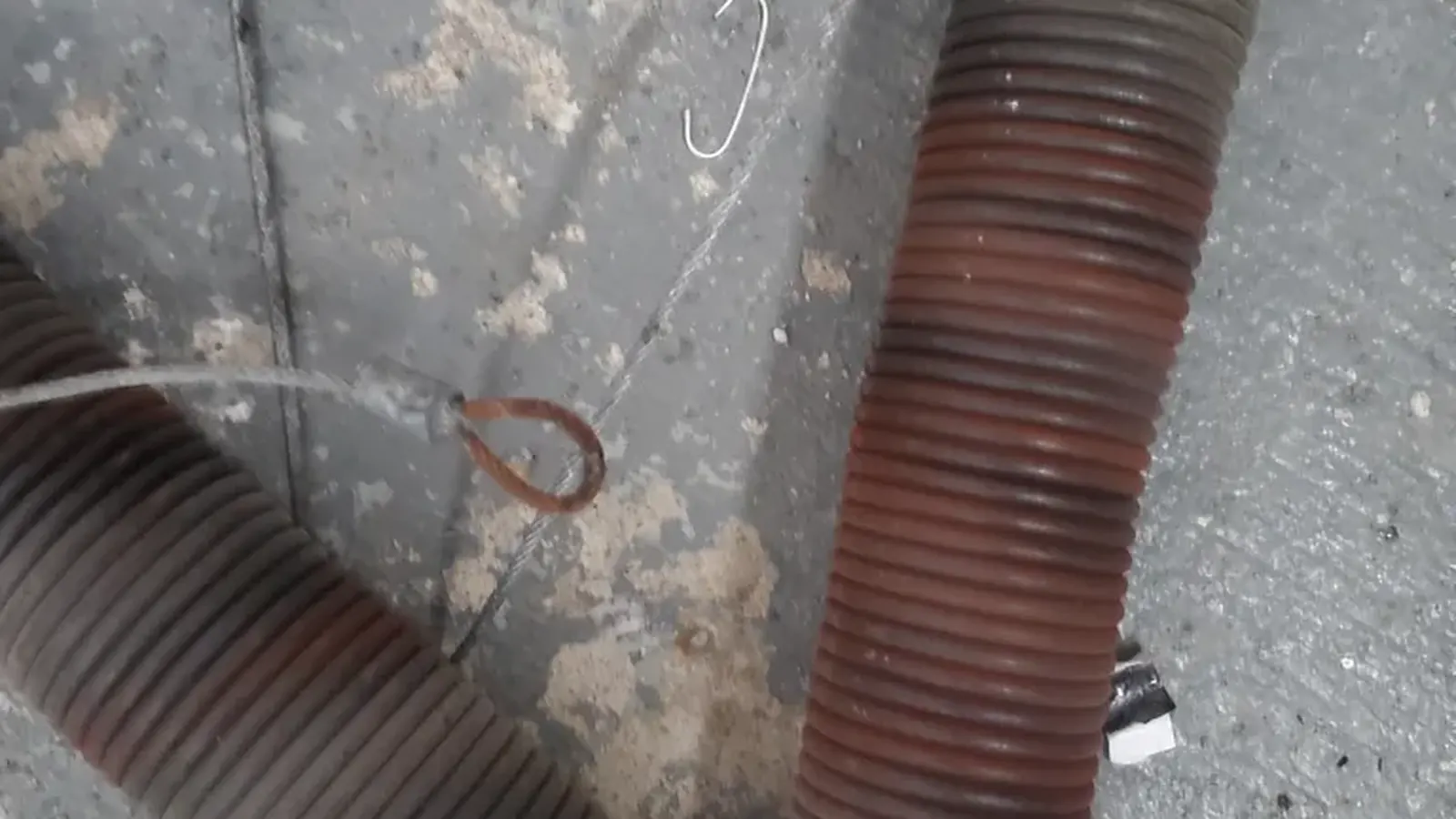
Ask anyone who repairs garage doors south of the city and they will tell you the same thing: the phone rings hardest on the first truly cold mornings of the season. Someone in Manotick goes out to start the car, presses the button, hears the opener strain, and the door rises a few inches before giving up. Somewhere overnight, a spring let go.
It is not bad luck. Winter puts several kinds of stress on a spring at once, and a spring that has been quietly wearing out all year tends to pick a frosty morning to fail. Knowing why helps you spot trouble early and avoid the worst of it.
What the springs actually do
A typical two-car steel door weighs well over a hundred kilograms. The opener does not lift that weight. The springs do. On most homes that is a torsion spring, or a pair of them, on a steel shaft just above the door. As the door closes, the springs wind up and store energy. As it opens, they unwind and do the lifting while the opener simply guides the door along the rail.
Some older garages in the village and on country properties still use extension springs, which stretch along the horizontal tracks on each side of the ceiling. They do the same job in a different way, and they should always have a safety cable running through the middle so a broken spring cannot fly across the garage.
Either type has a working life measured in cycles. One cycle is one trip up and one trip down. A standard spring is often rated for around ten thousand cycles. A household that uses the garage as its main door can pass that in seven or eight years.
Why the cold is hard on them
- Cold steel is less forgiving. A coil that already has a small crack or a rusty weak spot is more likely to finish breaking when the metal is frozen.
- Doors freeze to the floor. Meltwater runs under the bottom seal and freezes overnight. When the opener tries to pull the door free, the springs take a sudden jolt.
- Snow and ice add weight. Packed snow on the bottom section and ice on the panels make the door heavier than the springs were set for.
- Salt and moisture speed up rust. Slush off the car drips in the garage, and the damp air near the river does the rest. Rust on the coils creates the weak points where they eventually snap.
None of this means a good spring will fail because it is cold. It means a tired spring is far more likely to fail in January than in July.
Early warning signs
Springs rarely break without a little notice. Watch and listen for these through the fall:
- The door seems heavier than it used to when you lift it by hand.
- It no longer stays put when you stop it halfway, and drifts down or creeps up.
- The coils squeak, crunch or look orange with rust.
- One side of the door rises before the other.
- The opener sounds like it is working harder than before.
If you notice any of these, it is cheaper and far less stressful to replace the springs on a planned visit than on a morning when the car is trapped inside.
What to do when a spring breaks
You will usually hear it: a sharp bang like a firecracker from the garage, often when nobody is near the door. Look up at the shaft above the opening and you may see a gap of a few centimetres in one of the coils. When that happens:
- Stop using the opener. It is not built to lift the full weight of the door, and trying can strip its gear or burn out the motor.
- Leave the door where it is, especially if it is closed. A door with a broken spring can drop fast if you try to lift it.
- Do not touch the winding cones or try to rewind anything. A wound torsion spring holds enough force to cause serious injury.
- Call for spring repair. If the car is stuck or the door is jammed open, treat it as an emergency.
What a proper replacement looks like
A good spring job is more than swapping a coil. The technician should measure the door and the old spring so the new one matches the weight, check the cables, drums, bearings and bottom brackets at the same time, and replace both springs on a two-spring door so they wear evenly. Then the tension is set so the door stays where you leave it halfway, and the door is tested by hand and on the opener, including the safety reverse.
If you use the door a lot, ask about higher-cycle springs. They cost a little more but last considerably longer, which suits busy households and garages that double as the main entrance.
How to make the next set last
- Clear snow and slush away from the bottom of the door so it does not freeze to the floor.
- If the door is frozen down, free it gently by hand or with a plastic scraper before you press the button.
- Have the springs and the bottom seal looked at in the fall, before the deep cold arrives.
- Read our maintenance checklist for the simple things you can do yourself.
Springs are a wear part, and every one of them breaks eventually. The goal is to replace them on your schedule, not on the coldest morning of the year.

